

.common_template_changes .related_blog_section.explore_video_sec Claria Recurrent Pregnancy Loss - MedGenome - Leading Genetics Diagnostics Lab in India
  • Home
  • /
  • Claria Recurrent Pregnancy Loss

India's Leading NIPT Test

What is the NIPT Test for Pregnancy?

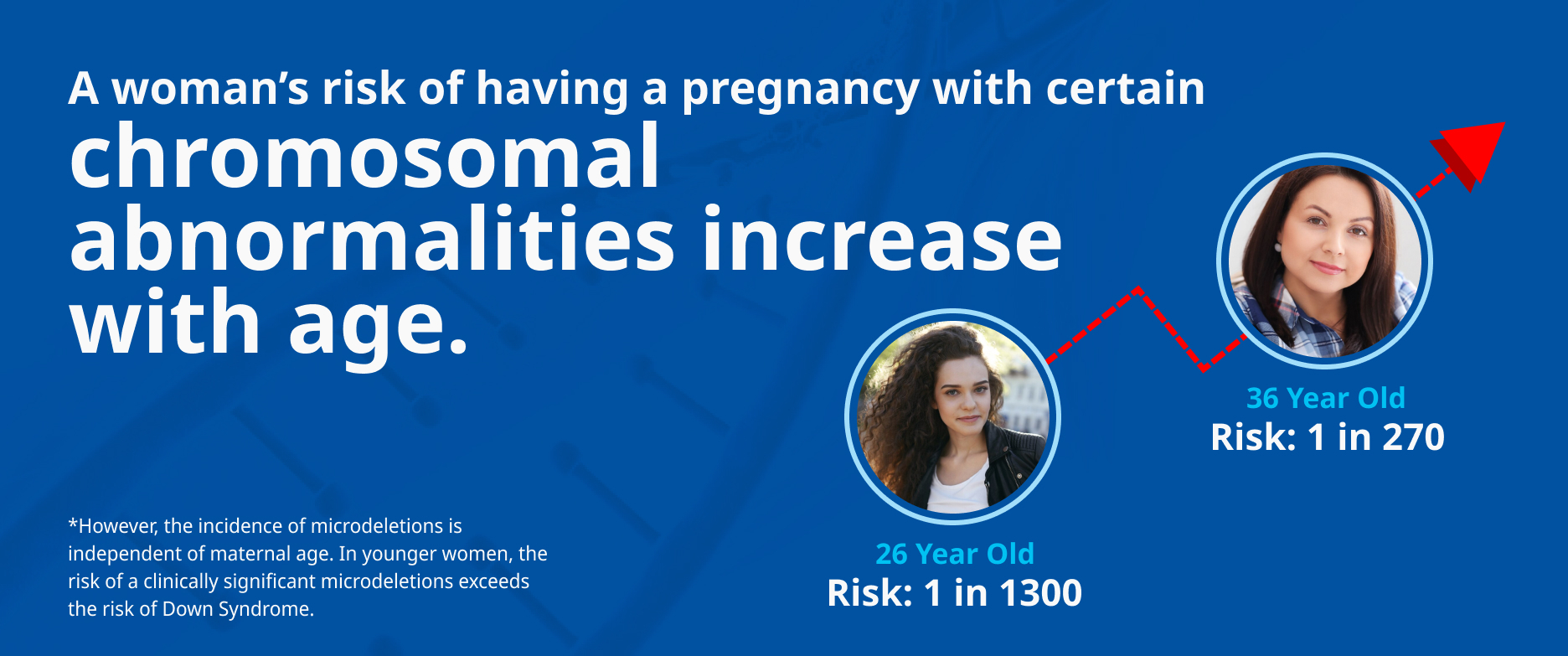
The NIPT test in pregnancy, or Non-Invasive Prenatal Testing, is a highly accurate screening tool used to detect chromosomal abnormalities in a fetus. This blood test analyses small fragments of fetal DNA circulating in the mother's bloodstream, checking for conditions like Down syndrome (Trisomy 21), Edwards’ syndrome (Trisomy 18), and Patau syndrome (Trisomy 13). MedGenome’s NIPT test in India is a safe alternative to invasive diagnostic methods and can be done as early as the 10th week of pregnancy. The results offer over 99% accuracy, providing early insights into fetal health.

Demographics

  • 1/200Births

    Incidence of Chromosomal disorders

  • 13,000Births

    Chromosomal abnormalities are over

  • 1/850 Births

    Incidence of Down Syndrome

  • 1/1000 Births

    Births with Microdeletions

Accuracy

MedGenome’s Non-Invasive Prenatal Testing excels with 99.9% accuracy, high sensitivity/specificity, low false positives/negatives, and is the only NIPT Pregnancy Test validated on the Indian population. It offers genetic counselling and fast reporting from a CAP-accredited lab in India.

Specifications

  • Panel Coverage: Screens the entire fetal genome (including common aneuploidies and sex chromosome abnormalities)
  • Sensitivity: 99.9%
  • Specificity: 99.9%
  • Drugs Tested: 18+
  • Sequencing Method: Uses Next Generation Sequencing (NGS) technology
  • Turnaround Time: Less than or equal to 7 working days

The conditions that our 3 tests detects

Key Highlights of MedGenome Labs Recurrent Pregnancy Loss Test

Highly Sensitive Detection 1

Detects chromosomal deletions and duplications using a highly sensitive platform with over 99% sensitivity. 1

Highly Sensitive Detection 2

Detects chromosomal deletions and duplications using a highly sensitive platform with over 99% sensitivity. 2

Highly Sensitive Detection 3

Detects chromosomal deletions and duplications using a highly sensitive platform with over 99% sensitivity. 3

What is Recurrent Pregnancy Loss (RPL Test)?

Recurrent pregnancy loss, or RPL, is defined as the loss of two or more consecutive pregnancies before 20 weeks of gestation. RPL testing is a series of evaluations performed to determine the underlying causes of recurrent miscarriages. These tests help identify conditions that may affect a woman’s ability to carry a pregnancy to term.

The goal of the RPL panel blood test is to assess factors such as hormonal imbalances, genetic abnormalities, or autoimmune disorders that may contribute to repeated pregnancy loss.

Demographics

  • 1/200Births

    Incidence of Chromosomal disorders

  • 13,000Births

    Chromosomal abnormalities are over

  • 1/850 Births

    Incidence of Down Syndrome

  • 1/1000 Births

    Births with Microdeletions

*Source – Combined prevalence using higher end of published ranges from Gross et al. Prenatal Diagnosis 2011; 39, 259-266;

What is the Difference Between Miscarriage and Recurrent Pregnancy Loss?

A miscarriage refers to the loss of a single pregnancy, usually occurring before the 24th week of gestation. It is relatively common, with approximately 15-20% of pregnancies ending in miscarriage. Recurrent pregnancy loss (RPL), on the other hand, is diagnosed when a woman experiences two or more consecutive miscarriages. Unlike a single miscarriage, RPL in pregnancy indicates the possibility of underlying issues that require further investigation through RPL testing.

How Common Is Recurrent Pregnancy Loss?

What Are the Common Causes of Recurrent Pregnancy Loss?

What Role Do Chromosomal Abnormalities Play in Recurrent Pregnancy Loss?

Chromosomal abnormalities are a leading cause of recurrent pregnancy loss. During conception, errors in the division of chromosomes can result in embryos with an abnormal number of chromosomes (aneuploidy). These abnormalities often lead to miscarriage because the embryo is not viable. Chromosomal testing, such as karyotyping, chromosomal microarray, low-pass whole genome sequencing etc., can identify if genetic factors have caused the pregnancy loss.

What tests are available to Diagnose Recurrent Pregnancy Loss?

Why You Need an RPL Panel Blood Test?

Recurrent pregnancy loss (RPL) can stem from various causes, including endocrine, anatomical, immunological, infectious, environmental, and genetic factors. Here’s why undergoing RPL testing is crucial:

  • Detect Chromosomal Abnormalities: Identify if the pregnancy loss was due to an abnormal chromosome number (aneuploidy)
  • Provide Valuable Insights: Offer information that helps both patients and physicians understand the underlying cause of the pregnancy loss.
  • Develop a Future Plan: Aid in creating a personalised plan to support a successful pregnancy in the future.

An RPL panel blood test plays a pivotal role in diagnosing and managing the reasons behind recurrent miscarriages, ultimately improving the chances of a healthy pregnancy.

How Does the RPL Test Work?

Who Should Consider RPL Testing?

Frequently Asked Question

  • How much does the RPL Test cost in India?

    The RPL (Recurrent Pregnancy Loss) Test cost in India can vary depending on the location and healthcare provider. It is recommended to contact MedGenome Labs or other specific healthcare providers for accurate pricing information.

  • What sample is used for the RPL Test?

    The RPL test typically requires a blood sample from the patient. In some cases, additional samples, such as tissue from a miscarriage, may be analysed to gather more information.

  • What Is the Turnaround Time for the RPL Test?

    The turnaround time for RPL testing varies based on the specific tests performed and the laboratory’s workload.

  • Are there risks associated with the RPL Test?

    The RPL test is a non-invasive procedure involving a blood draw, so there are minimal risks associated with it. Some individuals may experience mild discomfort or bruising at the site where the blood is drawn.

  • How often should couples with a history of recurrent pregnancy loss consider genetic counselling?

    Couples with a history of recurrent pregnancy loss should consider genetic counselling after two or more miscarriages, especially if there are known genetic factors or if the RPL screening suggests chromosomal abnormalities. Genetic counselling can provide valuable guidance on further testing and potential treatment options.

Get Genetic Counseling with
MedGenome Genetic Experts

Please share your details with our genetic experts to answer your queries

    MedGenome Patient Stories

    MedGenome in the News

    September 12, 2023 5 mins read

    NIPT for Twins: What You Should Know?

    December 30, 2021 5 mins read

    Unlocking Insights: Genetic Tests Every Woman Should Consider

    August 21, 2019 5 mins read

    A new technology for eradicating TB – MedGenome Labs – Mathrubhumi

    Download NIPT Brochures

    Discover how we can support your wellness through our diverse range of tests. Our brochure provides an in-depth look at our commitment to quality care and patient satisfaction.

    Please share your details to get
    in touch with our experts.