Every year, the world marks World Thalassemia Day to recognise the challenges faced by those affected and their loved ones. This inherited blood disorder can be better managed and even prepared for if you’re armed with the right information, in time. This year, we need to move towards understanding the condition better, and building awareness in those around us. So that together, we can make a change. Being well-informed is the first step.
What Is Thalassemia?
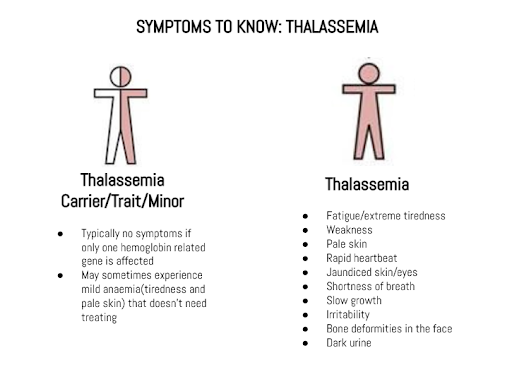
Thalassemia is a genetic condition where your body is unable to produce adequate quantities of haemoglobin, an integral part of your red blood cells. Without it, your red blood cells last for shorter durations and malfunction resulting in fewer healthy red blood cells in your system. Being an inherited disorder, the blood disorder is passed from parents to their children via their genes.
Haemoglobin has two kinds of protein – alpha globin and beta globin protein. You have Alpha thalassemia if the gene/s linked to alpha globin protein are either missing or defective. When this happens to the genes linked to beta globin protein, you get Beta thalassemia.
When you get a faulty gene from just one of your parents, you have Thalassemia Minor and are usually a carrier and don’t experience symptoms.
How To Prevent Thalassemia
Since this is an inherited disorder not too much can be done to prevent it in one’s own lifetime. However, with the staggering progress we have made on the genomics front, genetic testing has become accessible unlike ever before. Those who know there is thalassemia in their family history or are from a region where the disorder is common can get a genetic test done and speak to a genetic counsellor to assess the risk of passing this on to their children.
Managing Thalassemia, Mindfully
Treatment may involve regular blood transfusion for someone diagnosed with thalassemia major and less frequent in milder phenotypes. Chelation therapy by oral medications is part of the treatment regimen to remove the excess iron accumulation in the blood, if untreated leads to serious damage to several organs including liver and pancreas. Treatment by stem cell transplant or bone marrow transplant has been become possible now resulting in better quality of life devoid of chronic blood transfusions.
These regular visits to the hospital for transfusion can be stressful for the person affected and their loved ones. In some cases, surgery or bone marrow transplants may also be needed. Being mindful of the struggles and helping people cope with them is important.
You may want to keep in mind these simple ways to help:
Taking them for regular check- ups with the haematologist
Having on call a team of doctors for various issues associated with iron overload that can happen due to the condition: a cardiologist, an endocrinologist, a gastrointestinal specialist
Providing access to mental health support; therapy and counselling is important for the affected individual as well as those caring for them
Informing the siblings of the child of their condition so they are supportive
Keeping the school and class teacher informed in case of any emergencies/absences from school
Setting up reminders to ensure no health checks are missed
But most of all, just extend your love and support in whatever ways you can, to let them know they’re not alone in this. Together, we can help people with thalassemia lead happy and full lives just like everyone else.
To provide the best experiences, we use technologies like cookies to store and/or access device information. Consenting to these technologies will allow us to process data such as browsing behavior or unique IDs on this site. Not consenting or withdrawing consent, may adversely affect certain features and functions.
Functional
Always active
The technical storage or access is strictly necessary for the legitimate purpose of enabling the use of a specific service explicitly requested by the subscriber or user, or for the sole purpose of carrying out the transmission of a communication over an electronic communications network.
Preferences
The technical storage or access is necessary for the legitimate purpose of storing preferences that are not requested by the subscriber or user.
Statistics
The technical storage or access that is used exclusively for statistical purposes.The technical storage or access that is used exclusively for anonymous statistical purposes. Without a subpoena, voluntary compliance on the part of your Internet Service Provider, or additional records from a third party, information stored or retrieved for this purpose alone cannot usually be used to identify you.
Marketing
The technical storage or access is required to create user profiles to send advertising, or to track the user on a website or across several websites for similar marketing purposes.