


Category: Rare Inherited Disorders
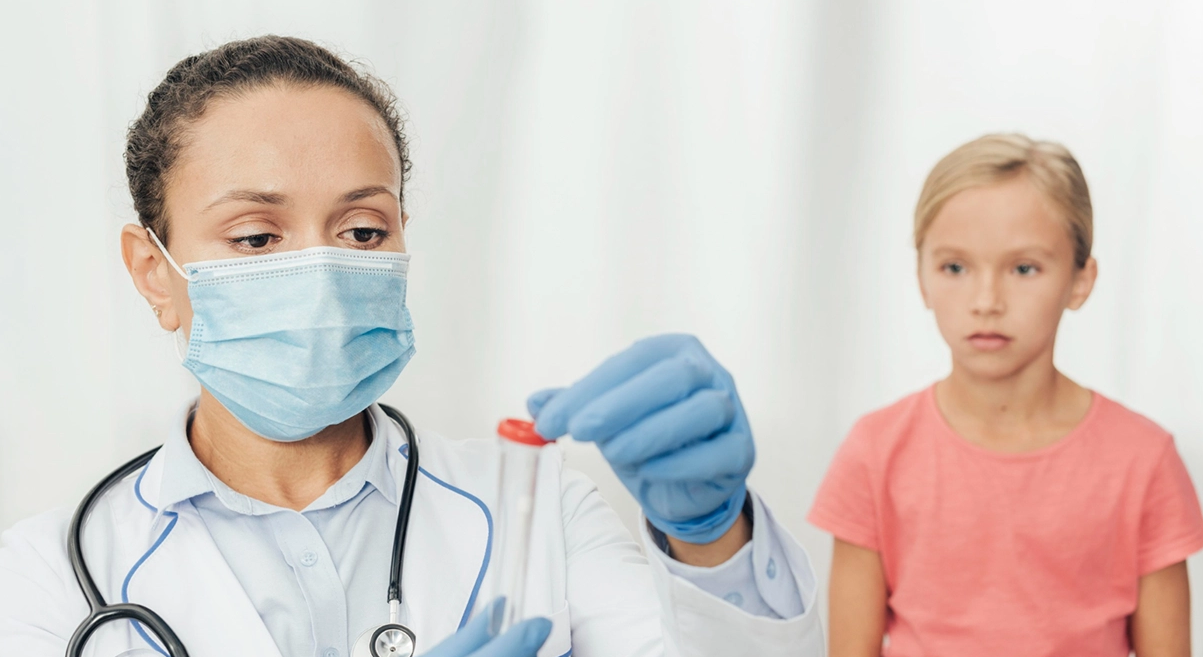
Why Genetic Testing Matters in Pediatric Rare Disease Diagnosis?
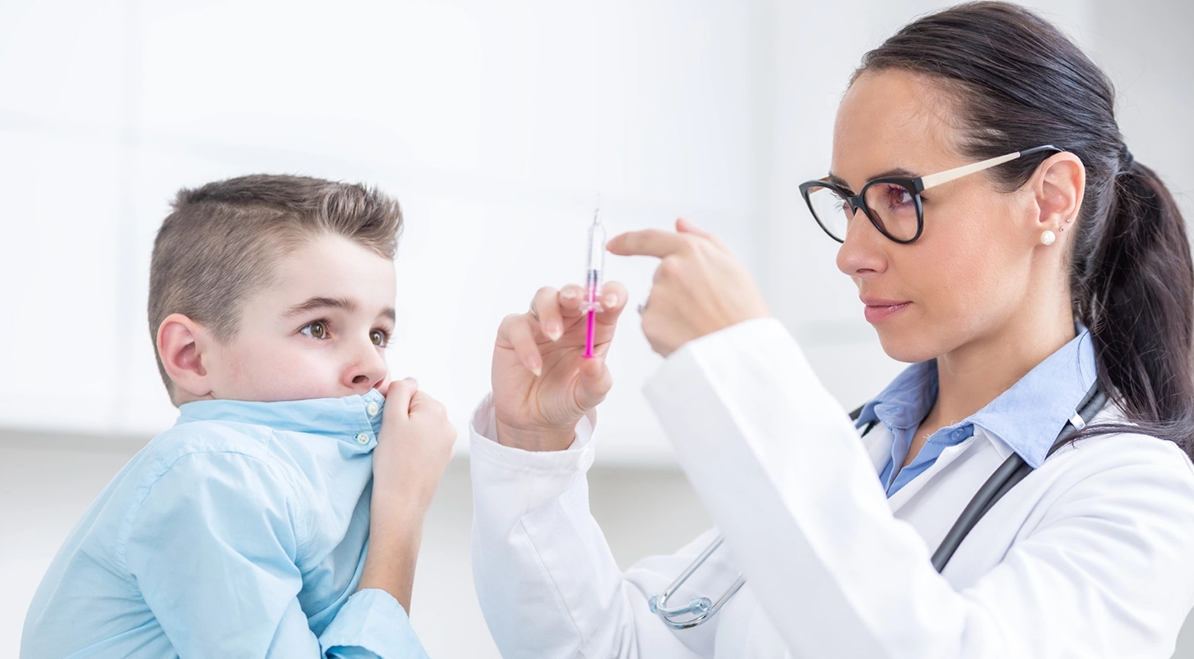
Spinal Muscular Atrophy: Why Early Genetic Diagnosis Is Critical
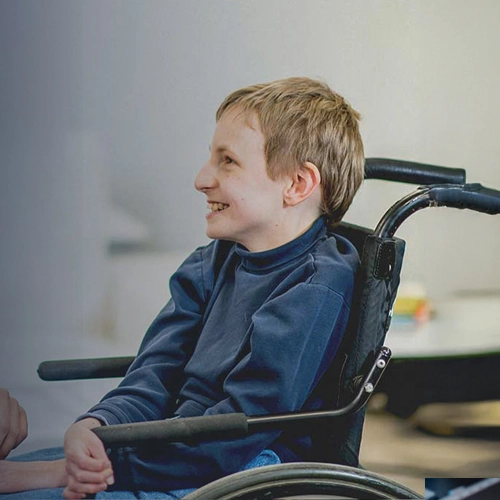
Explore The Role of Genetics in Neurological Disorders

Difference Between Genetic Testing and Genetic Screening: What You Need to Know
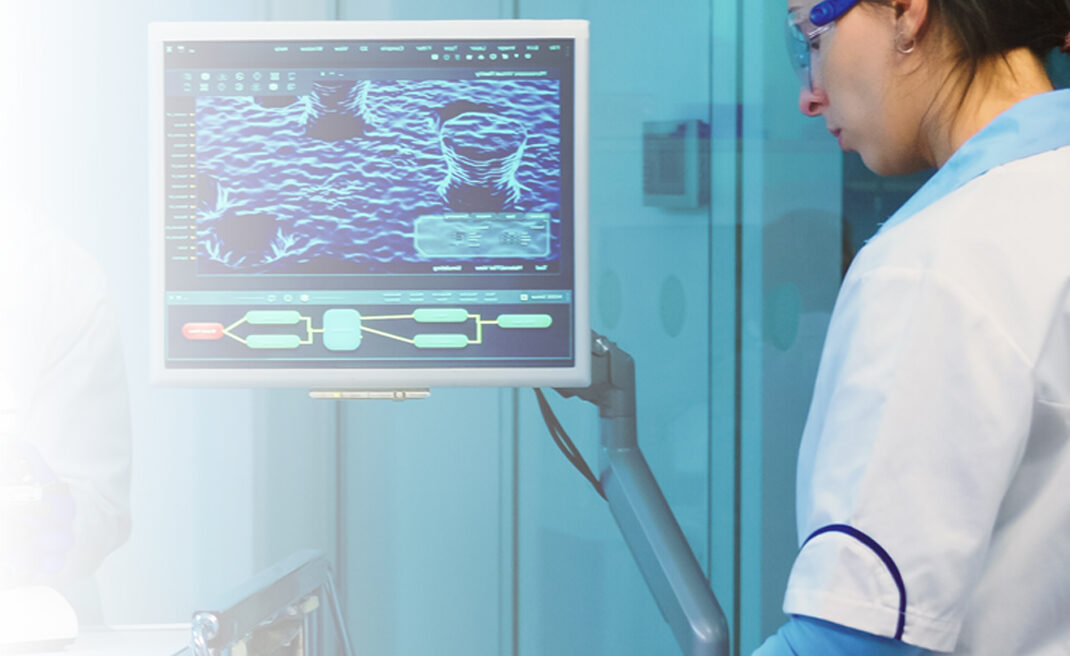
Newborn Screening Tests and What They Detect
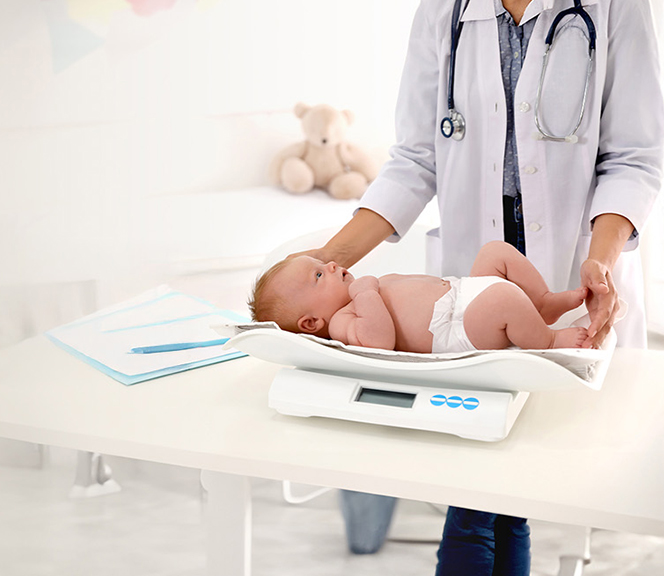
How BabySecure Newborn Screening Tests Benefit Newborns
- Early Intervention: Early intervention is a cornerstone of newborn screening tests, allowing healthcare providers to initiate specific treatments. These interventions, including dietary adjustments, hormone therapies, and tailored lifestyle management for conditions, play a crucial role in enhancing health outcomes right from birth. This proactive approach improves outcomes, reduces the severity of health complications, and creates a chance for a better quality of life and cost-effective healthcare. It also gives parents peace of mind knowing their child’s health is well looked-after.
- Improved Quality of Life: Early screening of newborns plays an important role in improving their quality of life in many ways. Early knowledge of a condition allows families to plan for necessary medical care, support services, and educational interventions. It also reduces the uncertainty and anxiety that families experience when facing potential health challenges, creating a more stable and positive environment for the child’s development.
- Parental Peace of Mind: Knowing that your baby has been thoroughly screened for potential health issues will give you immense peace of mind as a new parent.
- Reassurance: Early screening reassures parents that their baby is healthy or that any issues will be managed effectively.
- Preparedness: In case of a positive screening result, parents can prepare for necessary treatments and interventions, ensuring the best outcomes for their child.
Conclusion: BabySecure Newborn screening tests are powerful for safeguarding your baby’s health. These simple procedures pave the way for a healthy and fulfilling life for your little one. Trust MedGenome lab for accurate and thorough screening services backed by cutting-edge technology and a dedicated team of experts. Do not leave your child’s health to chance—reach out to MedGenome today to learn more and schedule your newborn’s screening. Your baby’s well-being is our priority.
For more information on the BabySecure Newborn screening test, please write to MedGenome labs at diagnositcs@medgenome.com. For any technical or test-related queries, please write to techsupport@medgenome.com or call 1800 296 9696
Genetic Testing for Women: Understanding disease risks and the screening tests available across ages

Preimplantation genetic screening (PGS/PGT) (Age 20-40):
In vitro fertilisation (IVF) has offered new hope to individuals and couples facing challenges with conception. Advances in genetic testing are further improving IVF outcomes by helping reduce the time, cost, and emotional and physical burden often associated with multiple treatment cycles. One such advancement is Preimplantation Genetic Testing (PGT), which enables embryos created through IVF to be screened for specific genetic conditions before implantation. By identifying embryos that are less likely to carry certain inherited disorders or chromosomal abnormalities, PGT can support informed embryo selection and improve the chances of a healthy pregnancy. PGT is associated with improved success rates and lower risk of miscarriage. By diagnosing genetic conditions early, healthcare providers can develop personalized treatment plans and provide guidance for family planning.
RhD Screening (Age 20-40):
RhD screening in expecting mothers aims to detect Rh factor incompatibility between the mother and fetus, which can lead to miscarriage or pregnancy complications. By identifying RhD-negative mothers early in pregnancy, healthcare providers can administer Rh immunoglobulin to prevent adverse outcomes and ensure that both the mother and baby are healthy. This screening is essential for safeguarding pregnancies and reducing the risk of miscarriage due to Rh factor incompatibility, highlighting the importance of comprehensive prenatal care for expectant mothers.
Non-Communicable Disease Screening (NCDs) (Age 18-60):
Genetic screening tests can be done by individuals to assess the genetic risk of developing NCDs such as diabetes, hypertension, coronary artery disease (CAD), Parkinson’s, Alzheimer’s, hereditary cancer, obesity etc. before your body shows any clinical symptoms. This risk when combined with other risk factors can guide early medical intervention. The high, moderate and average risk scores provide assessment of disease risk rather than a definitive diagnosis which can empower women to make informed lifestyle choices, undergo routine check-ups and adopt early intervention strategies to mitigate disease progression.
Lastly, genetic consultation with a healthcare professional or a genetic counsellor is essential to determine the most appropriate screening test based on individual health, family history, and lifestyle. Genomics-led health insights will help women and girls make informed decisions about their health, thus inspiring inclusion and promoting proactive health management.
Understanding disease risks through genetic testing can help women take proactive steps to safeguard their health across the different stages of life. Consultation with a healthcare professional or a genetic counsellor is essential to determine the most appropriate screening test based on individual health, family history, and lifestyle. Genomics led health insights will help women and girls make informed decisions about their health thus inspiring inclusion.
The Human Genome Can Fill 800 Dictionaries or 10,000 Novels!

Did you know that if you took the entire human genome and printed it, it would be enough to fill 800 dictionaries or about 10,000 novels[1]? We humans are complex beings, each of us different from the other, so it’s not surprising that the blueprint for what goes into making each of us is just as vast. It has been about 30 years since the Human Genome Project, an ambitious initiative, was first rolled out. But what are the secrets the genome holds?
What Is The Genome?
Your entire set of DNA that gives the genetic instructions that make you who you are is called a genome. Each DNA molecule, in turn, is made of two twisted strands that consist of chemical units called bases. The human genome has a whopping 3 billion such base pairs!
The nucleus of every single cell in the body has 23 pairs of chromosomes, and each chromosome has thousands of genes.
Why Do Genes Matter?
Every gene bears the instructions to make an average of 3 proteins each[2]. Remember, proteins help build body tissue and, by extension, are building blocks of our organs. They also act as enzymes that control the various biochemical reactions in the body[3]. They determine a host of traits, such as eye colour and even how your body metabolises food.
The Power Of A Single Cell
All it takes is the data from a single cell in your body to paint a much bigger picture. And that’s precisely what sequencing does. Sequencing tells us what the precise order of base pairs is in a sample of DNA that could be taken from a strand of your hair or a drop of blood.
So, what can we do with this information from sequencing human DNA? This research is vital for understanding the molecular mechanism of human diseases, for their early detection, improved/more efficient diagnosis of illness, as well as for developing the next generation of drugs, and personalised gene therapy[4].
As individuals, it is what could alert you to being at greater risk of heart disease or cancer. It is what might help you prevent an adverse health event and could even determine the medicines you should take. And remember, we have only just begun. The exploration of the human genome is a work in progress, and who knows how many books we can write with information from our genes!
How to Detect Sickle Cell Disease in Time!

Genetic Testing for Sickle Cell
Sickle cell disease runs in families and is an inherited trait. This makes genetic testing a vital piece of the puzzle.
MedGenome offers simple hassle-free testing for sickle cell disease. The Sickle cell anemia (HBB) gene analysis (exon 1) – and the HPLC- Sickle Cell Anemia test(to check the type of haemoglobin present in your blood) can tell you whether you are at risk of passing on the condition to your future children and if you have sickle cell disease yourself. Optional genetic counselling can be invaluable in charting those next steps before you work out the best way forward in consultation with your doctor.
As with many such conditions, the earlier you know, the better. So whether it is testing yourself before you have a child or whether it is your little ones that you’d like to test, this virtually painless test is your best bet.
Tackling Thalassemia: Making A Change Together

How To Prevent Thalassemia
Since this is an inherited disorder not too much can be done to prevent it in one’s own lifetime. However, with the staggering progress we have made on the genomics front, genetic testing has become accessible unlike ever before. Those who know there is thalassemia in their family history or are from a region where the disorder is common can get a genetic test done and speak to a genetic counsellor to assess the risk of passing this on to their children.
Managing Thalassemia, Mindfully
Treatment may involve regular blood transfusion for someone diagnosed with thalassemia major and less frequent in milder phenotypes. Chelation therapy by oral medications is part of the treatment regimen to remove the excess iron accumulation in the blood, if untreated leads to serious damage to several organs including liver and pancreas. Treatment by stem cell transplant or bone marrow transplant has been become possible now resulting in better quality of life devoid of chronic blood transfusions.
These regular visits to the hospital for transfusion can be stressful for the person affected and their loved ones. In some cases, surgery or bone marrow transplants may also be needed. Being mindful of the struggles and helping people cope with them is important.
You may want to keep in mind these simple ways to help:
- Taking them for regular check- ups with the haematologist
- Having on call a team of doctors for various issues associated with iron overload that can happen due to the condition: a cardiologist, an endocrinologist, a gastrointestinal specialist
- Providing access to mental health support; therapy and counselling is important for the affected individual as well as those caring for them
- Informing the siblings of the child of their condition so they are supportive
- Keeping the school and class teacher informed in case of any emergencies/absences from school
- Setting up reminders to ensure no health checks are missed
But most of all, just extend your love and support in whatever ways you can, to let them know they’re not alone in this. Together, we can help people with thalassemia lead happy and full lives just like everyone else.


